
How to Winter-Proof Your Decking: A Complete UK Guide from Linnell Bros
Published on 22 December 2025
As the colder months arrive in the UK, decking often becomes the most neglected part of the garden. Rain, frost and constant moisture can take a serious toll on timber and composite boards. Without the right preparation, you may face cracking, rot, mould, algae growth and slippery surfaces by spring. At Linnell Bros, we work with homeowners, landscapers and tradespeople across the country who want to protect their decking and extend its life. Winter-proofing is not just maintenance. It is a smart investment that helps your deck stay safer, stronger and more visually appealing all year round.
This guide explains how to winter-proof your decking step by step while answering the most common questions people search online. Whether you have timber or composite boards, you will learn how to clean, treat, protect, and maintain your decking throughout the winter in the UK climate.
Why Winter-Proofing Decking Matters in the UK
- UK winters involve constant dampness, fluctuating temperatures and limited sunlight. These conditions create three major risks for decking:
- Moisture Damage: Water sits on the surface and gets into boards, increasing the chance of swelling, cracking and rot. Timber decking is particularly vulnerable, especially if not treated.
- Slippery Surfaces: Rain, frost, and algae can turn decking into a dangerous slippery surface. Many household accidents in winter are linked to unsafe outdoor flooring.
- Discolouration and Wear: Cold weather can break down surface coatings, dull the colour and leave the wood looking aged and neglected by spring.
The good news is that winter-proofing prevents all these issues and helps you avoid expensive repairs or replacements later.
Step One: Clear and Clean the Decking
Before any treatment, a clean surface is essential. Dirt, fallen leaves and algae trap moisture against the boards.
How to Clean Decking Before Winter
- Sweep away leaves and debris.
- Use a decking cleaner to wash the boards.
- Scrub gently with a stiff brush to lift grime.
- Rinse with clean water.
- Allow the wood to dry completely.
- Avoid applying treatments to damp wood because they will not absorb properly.
Can I Pressure Wash Decking in Winter
You can, but it must be done carefully. High pressure can damage wood fibres and force water deeper into the timber. If in doubt, use a gentle setting or a standard brush and cleaner.
Step Two: Repair and Inspect
Look for loose boards, rusting screws, soft patches, cracks and signs of rot. Winter will make these problems worse. Replace damaged boards and fix any unstable areas before the cold weather takes hold.
If your decking has persistent rot or softness, replacing sections now will prolong the life of the entire structure. Linnell Bros supplies a wide range of timber decking boards for homeowners and trade customers needing replacements.
Step Three: Treat Timber Decking for Winter
Does Timber Decking Need Winter Treatment
Yes. Timber is porous and absorbs moisture, which means it must be sealed before winter to prevent damage.
Choosing the Right Winter Treatment
There are three common options.
Decking Oil
- Nourishes the wood
- Enhances natural grain
- Provides water resistance
Decking Stain
- Adds colour
- Helps resist UV and weathering
- Provides a protective layer
- Decking Paint
- Offers a strong barrier
- Changes the appearance fully
- Requires more maintenance later
When preparing for winter, oil or stain is often the best choice because they penetrate the wood rather than simply coating the surface.
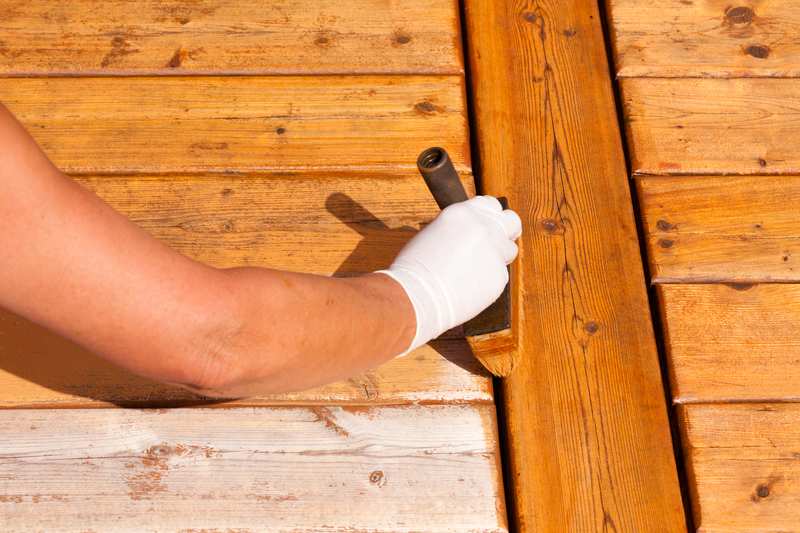
How to Apply Treatment
- Ensure the surface is completely dry.
- Apply evenly with a brush or roller.
- Allow to dry fully between coats.
- Avoid wet weather during application.
One or two coats will create a water-repellent finish that protects against frost and moisture.
Step Four: Anti-Slip Protection for Winter
A major winter concern for decking is slipperiness. When algae and frost combine, decking can become hazardous.
How to Stop Decking Becoming Slippery in Winter
- Use an anti-slip decking oil or stain
- Add anti-slip strips or inserts
- Keep the surface free from standing water
- Regularly brush away debris
Anti-slip products are specifically designed for wet UK winters and are an excellent safety investment.
Step Five: Prevent Mould and Algae
Low sunlight and constant dampness make winter the perfect environment for mould growth.
How to Prevent Algae on Decking in Winter
- Treat with a mould-resistant decking cleaner
- Ensure good drainage around the deck
- Avoid leaving plant pots that trap moisture
- Sweep regularly, even during winter
Ignoring algae early in the season can result in heavy staining by spring.
Step Six: Should You Cover Your Decking in Winter
Covering decking with waterproof sheets may seem like a smart idea, but it often traps moisture underneath and encourages rot. If you use furniture covers, ensure airflow and avoid sealing the decking tightly.
The best approach is proper cleaning, treatment and ongoing maintenance rather than covering.
What About Composite Decking
Does Composite Decking Need Winter Care
Composite boards are more resistant to moisture and rot, but they still need maintenance. Dirt and algae can build up on the surface, making it slippery.
Composite Decking Winter Tips
Clean with a composite-safe cleaner
Avoid harsh chemicals
Do not use metal shovels that can scratch
Remove standing water regularly
Should You Winter-Proof New Decking
New timber decking should be treated before its first winter. Untreated boards absorb water quickly and can warp or split. Applying treatment early helps protect the wood from day one.
How Often Should Decking Be Treated
Most timber decking should be treated once a year, ideally before winter. High footfall or shaded areas may need more frequent maintenance.
Planning for Spring
Winter-proofing isn’t just about surviving the cold months; it’s about ensuring your deck emerges in spring ready for immediate enjoyment. By investing time in autumn preparation, you’ll avoid the disappointment of discovering winter damage when you’re eager to start outdoor entertaining again.
Mark your calendar for a spring inspection once temperatures consistently rise above 10 degrees Celsius. This is the time to assess how well your winter-proofing efforts performed, clean away any residual debris, and touch up any areas that need attention. With proper winter care, your spring maintenance should be minimal, leaving you free to enjoy your outdoor space as soon as the weather permits.
Take the Next Step to a Safer, Stronger, Winter-Ready Deck
If you are planning repairs, upgrades or a brand new outdoor space, now is the perfect time to explore the full range of high-quality decking boards available at Linnell Bros. Our expert team is here to help you choose the right materials for long-lasting performance in UK weather, whether you are working on a home project or a professional installation.
For guidance on decking, fencing, maintenance and seasonal care, keep an eye on our blog, where we share practical tips, product insights and the latest industry updates to help you make confident decisions.
To plan your project accurately, try our easy-to-use decking calculator and get a clear idea of the materials you need before you buy.
Ready to get started? Call 01327 354422 or send us an enquiry, and our friendly team will be happy to help.
FAQS
3. Is it ok to leave the decking untreated over winter?
- It will survive, but it will deteriorate faster. Untreated decking is more likely to rot, crack and grow algae.
2. Can decking freeze and crack
- Timber can crack when moisture freezes inside the wood. Proper sealing helps prevent this.
3. Is oil or stain better for winter
- Oil penetrates wood and offers strong water resistance. Stain adds colour and surface protection. Both are suitable depending on the look you want.