
Your Spring Garden Checklist: Timber, Fencing, Decking & More
Published on 17 April 2026
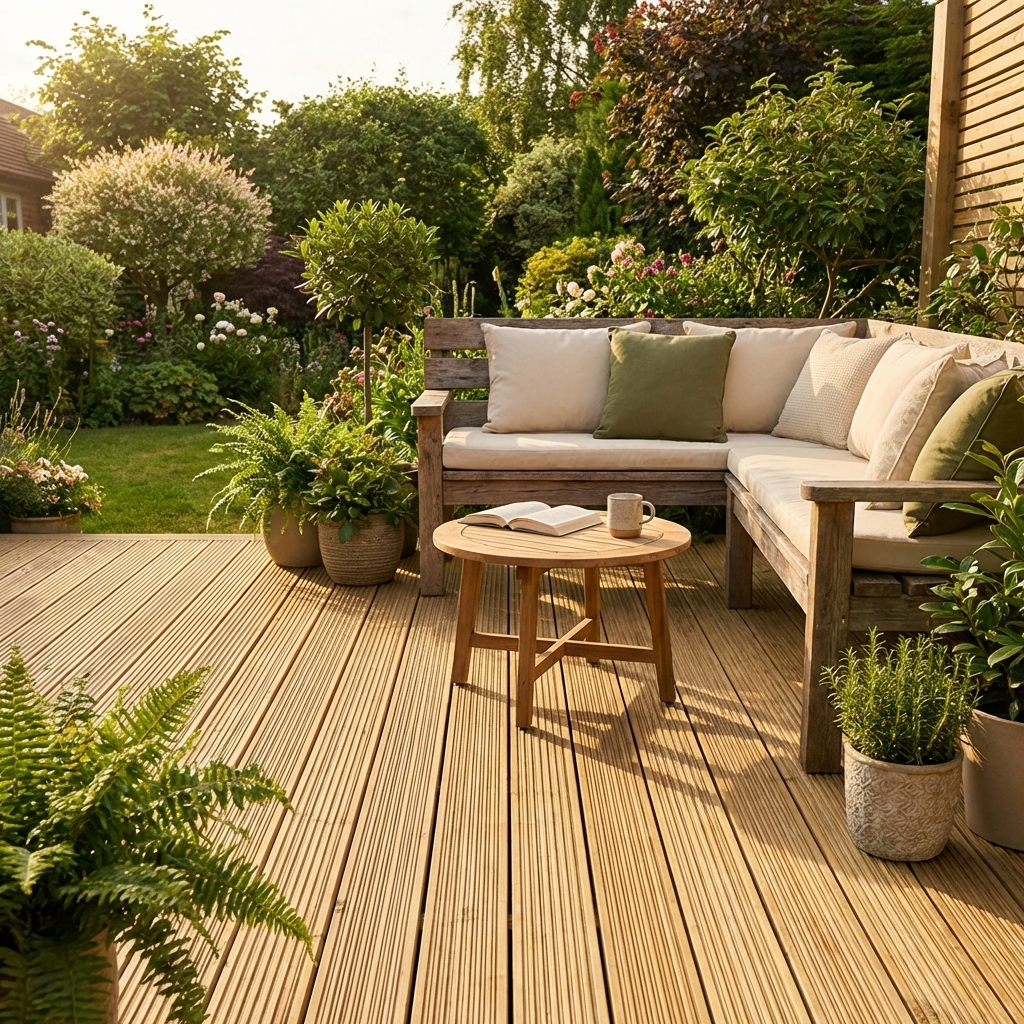
Spring is the best time to check and fix your garden timber before summer gets busy. This Linnell Bros guide shows you what to look for on fencing, decking, raised beds, sleepers, gates, and other garden structures. Whether you own a home or work in the trade, this checklist helps you spot problems, plan repairs, and choose the right materials.
Key points at a glance:
- Inspect fence posts and panels for winter rot, lean, and loose fixings.
- Check decking boards for soft spots, split timber, and slippery algae buildup.
- Assess raised beds and sleepers for structural integrity before planting season.
- Look at gates, pergolas and garden structures for loose joints and weathering.
- Treat exposed timber to extend service life.
- Source quality, pressure-treated timber locally from Linnell Bros, Silverstone.
Why Spring is the Right Time to Check Your Garden Timber
Months of rain, frost, and wind can leave even sturdy garden timber with some damage. Spring is the perfect time to spot problems before they get worse. The ground is still soft enough for replacing posts, you can fix decking before summer gatherings, and raised beds are easier to reach before planting starts.
Late winter and early spring storms can leave fence posts rocking, deck boards swelling, and sleeper raised beds beginning to bow. The sooner you identify these issues, the more straightforward and less costly the fix will be.
Linnell Bros has been supplying timber to homeowners, landscapers and tradespeople across Northants and beyond since the 1880s. This guide reflects the questions our team gets asked most often this time of year.
1. Fencing: What to Check and How to Fix It
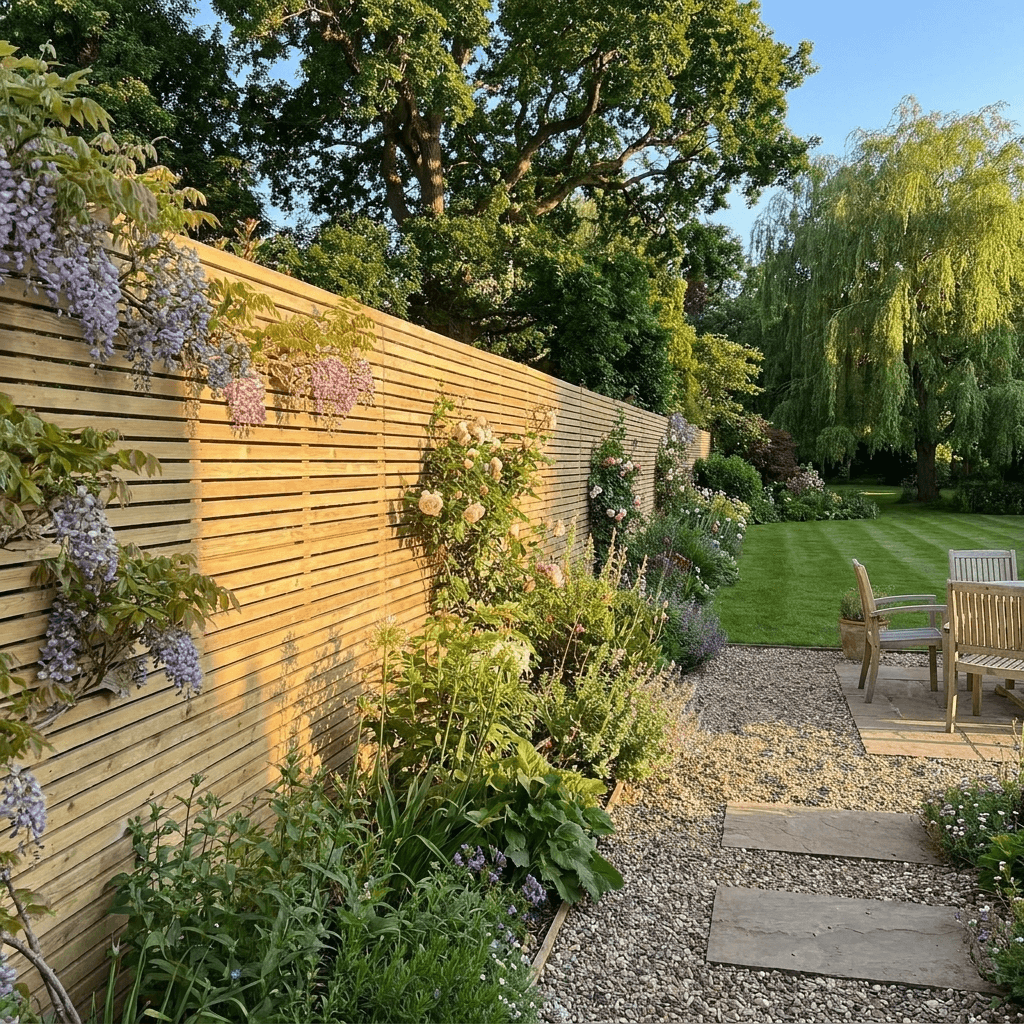
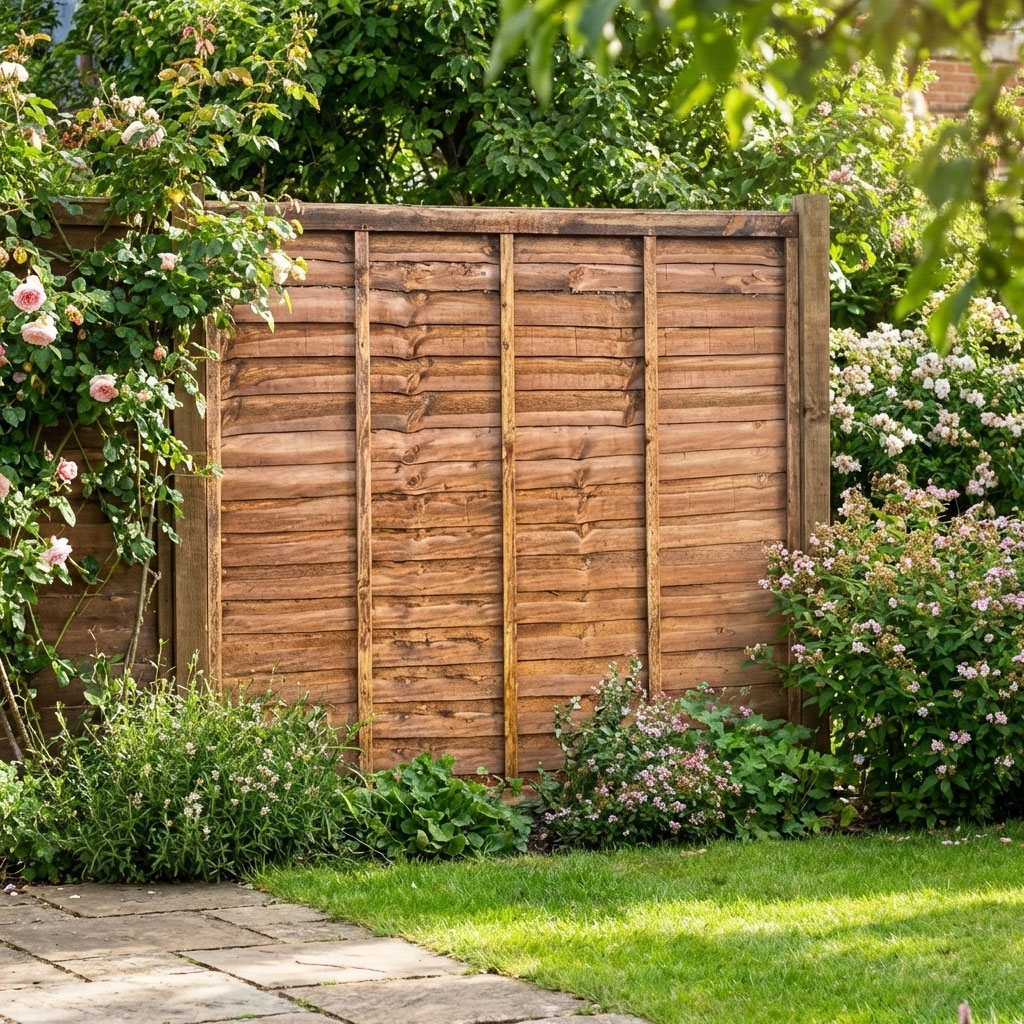
Fencing takes the brunt of the UK weather all year round. A spring inspection should cover three key areas: posts, panels, and fixings.
Fence Posts
Push each post at the top. If it rocks, check for rot at or below ground. If posts in concrete rot, it is most often at the concrete line. Sound posts may be reset with a repair spike, but soft, crumbling posts will need replacing.
When replacing posts, choose pressure-treated softwood as a minimum. We treat our timber using Tanalith® E wood preservative, which provides long-lasting protection against rot and fungal decay. Hardwood posts, including oak, offer even greater longevity in exposed positions.
Fence Panels
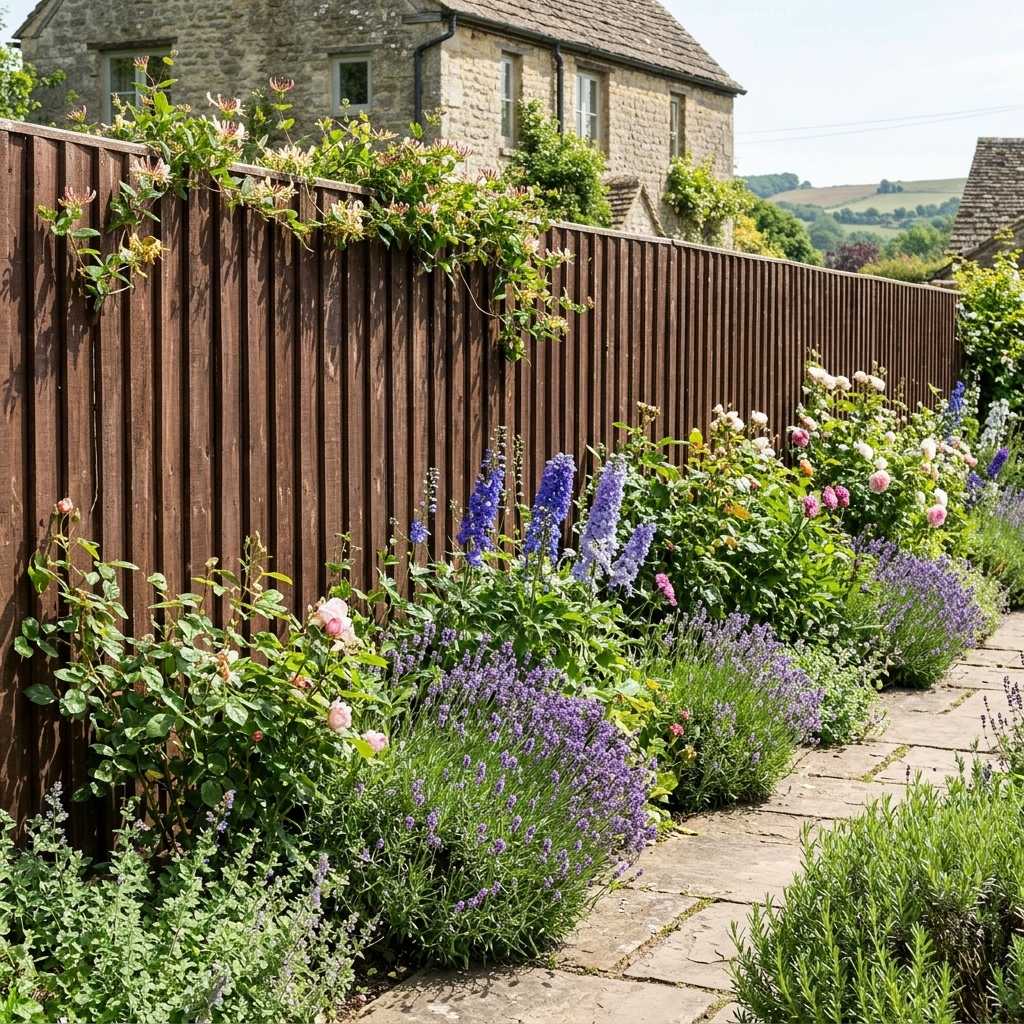
Look for warped, split, or missing boards in overlap and closeboard panels. A few cracked boards on an otherwise sound panel can often be replaced individually. However, if panels are significantly distorted or the arris rails (the horizontal timbers that support boards in a closeboard fence) are rotten or snapped, a full panel or rail replacement is the more cost-effective route.
We supply both overlap fence panels and closeboard fencing components, with our handy online Closeboard Calculator helping you work out exactly what you need before you order.
Fixings and Gravel Boards
Check that panel fixings are secure and haven’t rusted away. Gravel boards (the horizontal boards at the base of a fence that sit at ground level) can rot faster than panels above them, as they sit in contact with soil and moisture. Inspect and replace these as required. They protect the fence panel above and are far cheaper to swap out.
2. Decking: Safety, Structure and Surface
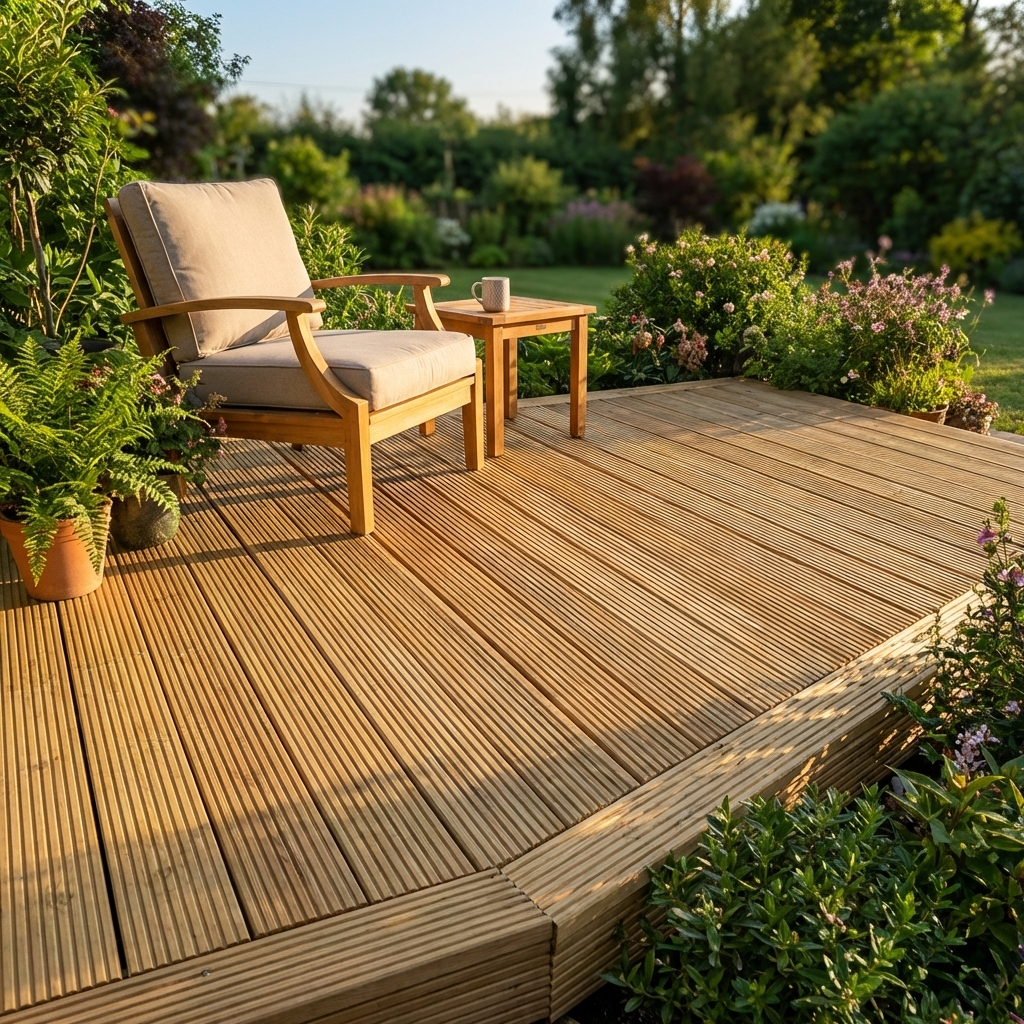
Decking is both a practical surface and a significant investment, so spring maintenance pays dividends. The key checks are structural integrity, surface condition, and slip resistance.
Check for Soft or Rotten Boards
Walk every section of your decking and press firmly on each board with your foot. A board that flexes excessively or feels spongy underfoot is likely rotten through and should be replaced before it becomes a safety hazard. Pay particular attention to the ends of boards, where moisture can be most readily absorbed. Find replacement boards here.
Inspect the Framework
The framework beneath the deck boards are out of sight but critical. If you can access the underside, look for any timber that is soft, discoloured, dark brown or black, or showing signs of fungal growth. Joists sitting close to or in contact with soil are at the highest risk. Replacing a few joists in spring is far simpler than rebuilding a collapsed structure in summer.
Address Algae and Slip Risk
A green or black coating on deck boards is algae or moss, and it makes surfaces dangerously slippery when wet. Treat the surface with a proprietary decking cleaner, allow to dry, then apply a suitable decking oil or preservative to restore protection. Grooved or ribbed deck boards are preferable to smooth boards in shaded or damp positions, as they offer better grip.
We supply a range of treated decking boards suitable for both domestic gardens and commercial projects across Northamptonshire and the wider Midlands.
3. Raised Beds and Sleepers: Structural Checks Before Planting Season
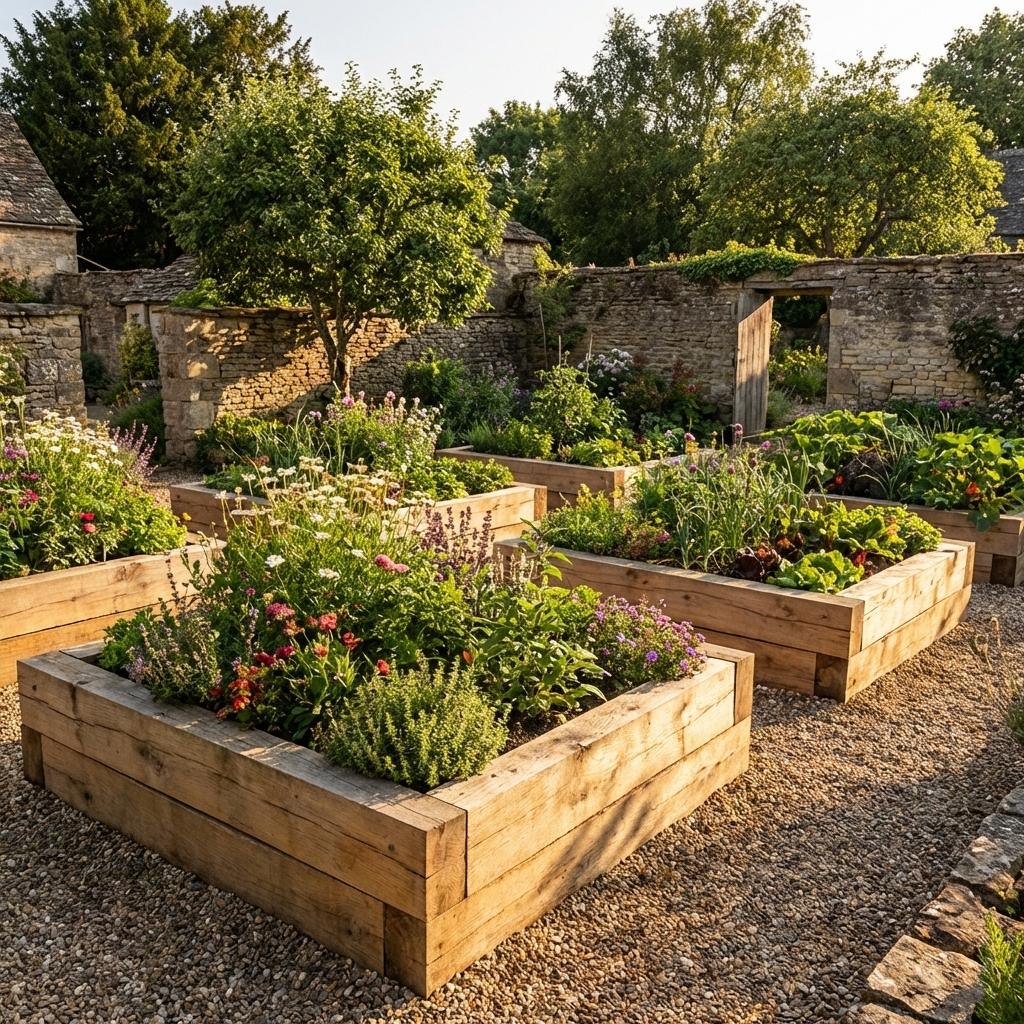
Raised beds made from sleepers are increasingly popular, and rightly so. But the weight of soil and the constant moisture they retain mean they do need periodic attention.
Sleeper Raised Beds
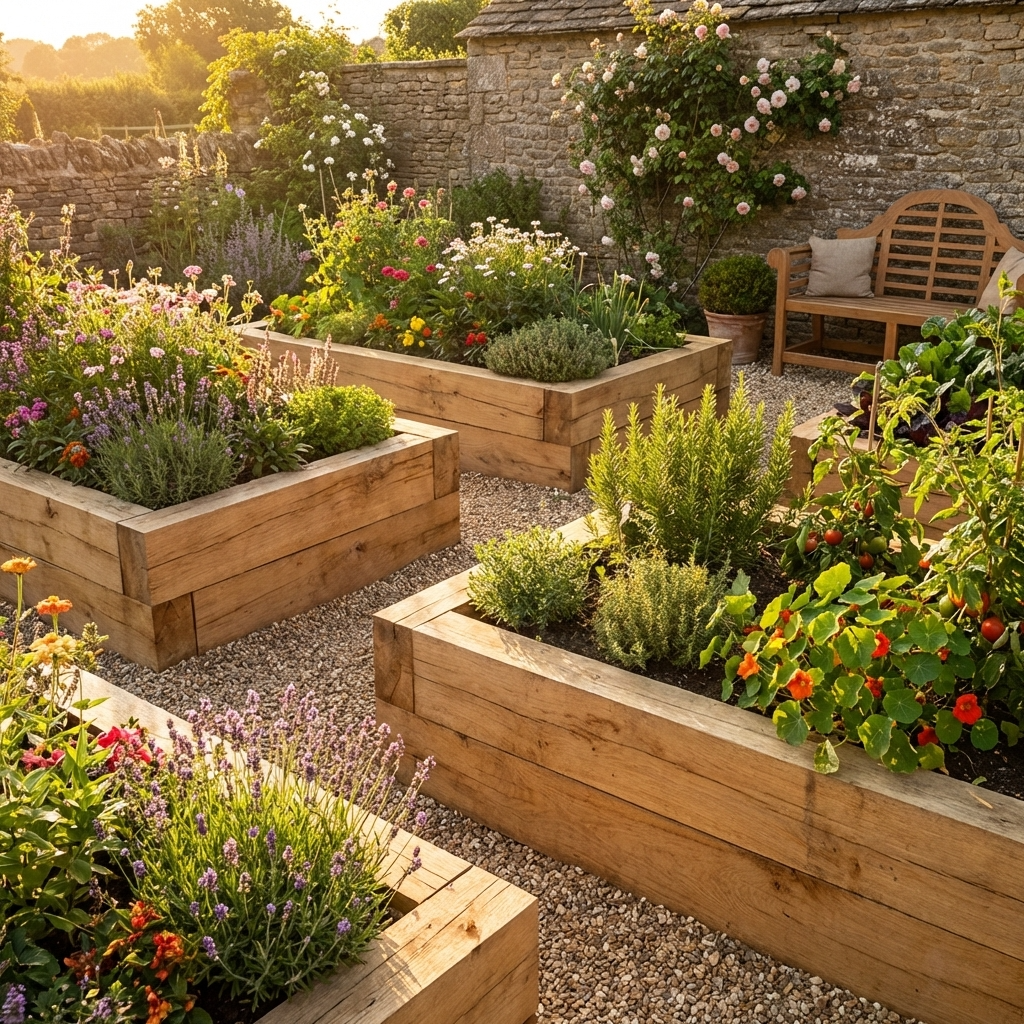
Check the corners and joints of sleeper beds for bowing outward. This is the most common failure point, caused by the pressure of damp soil from within. Corner posts or internal stakes driven into the ground help counteract this. If the sleepers themselves are beginning to rot (look for soft spots when pressed with a thumb), it may be time to replace individual pieces before they fail completely.
We stock both treated softwood sleepers and premium oak sleepers, available in standard lengths with fast local delivery to Northamptonshire, Buckinghamshire, Oxfordshire, Warwickshire and Leicestershire.
4. Gates: Operation, Fit, and Joinery
A gate that doesn’t open and close cleanly is frustrating at best, insecure at worst. Spring is a good time to get ahead of this.
- Check the gate posts for movement or lean – a leaning post is usually the cause of a gate that won’t latch.
- Inspect hinges and fixings for rust, looseness, or missing screws.
- Look at the gate frame itself for twisted joints, which can stop a gate from sitting square.
- Treat bare timber with a quality exterior wood preservative or oil to prevent further weathering.
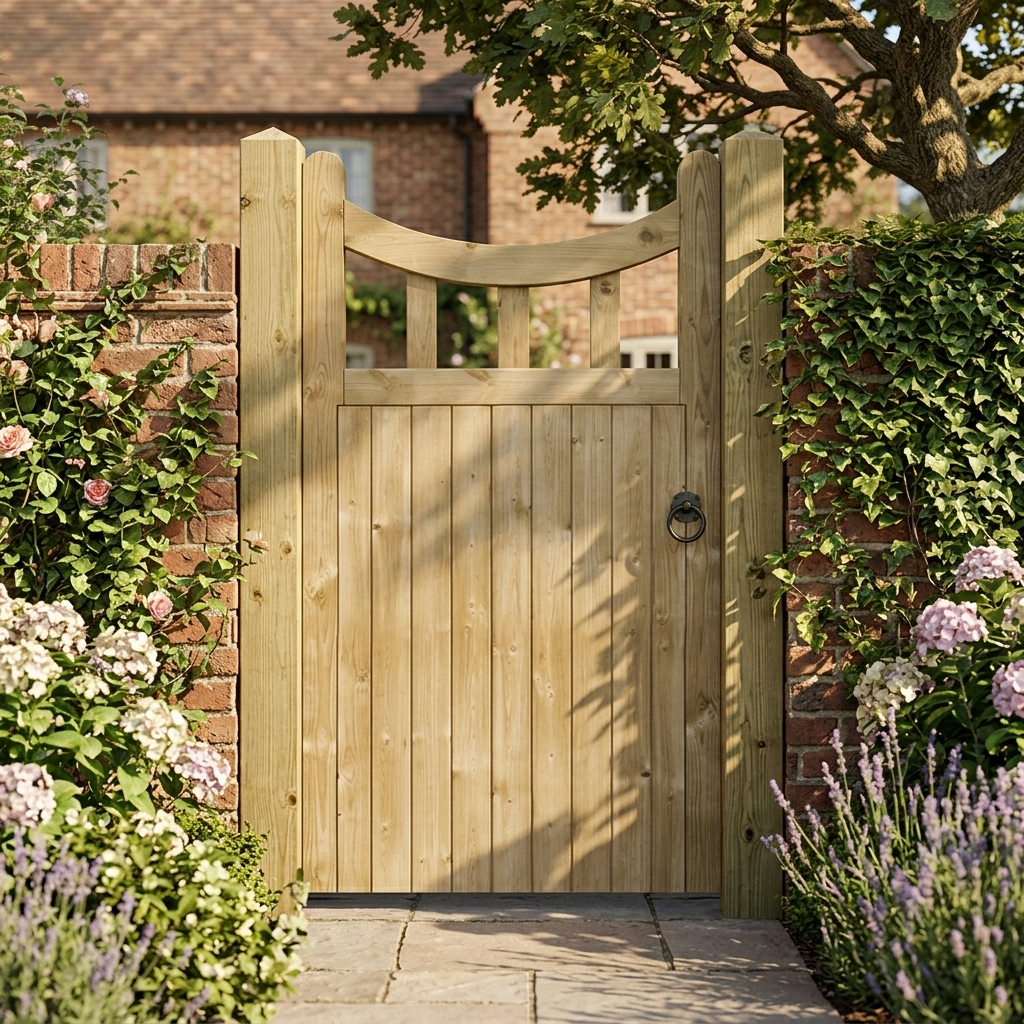
We manufacture stock and bespoke gates in our on-site mill at Silverstone, from classic cottage gates to heavy-duty five-bar farm gates. If your existing gate is beyond repair, a replacement, either a standard-sized stock gate or a made-to-measure bespoke gate, is often more cost-effective than you may expect.
5. Garden Structures: Pergolas, Arches and Outbuildings
Pergolas, arches and timber outbuildings are frequently overlooked during spring checks, but they can develop problems that are costly to fix if left.
- Inspect all joints and connections. Look for gaps opening up as timber has moved through winter freeze-thaw cycles.
- Check post bases where uprights meet the ground: these are high-rot-risk zones.
- Look up at the roof timbers for any splits or deflection that wasn’t there last year.
- Ensure any roofing material (Onduline, felt, or otherwise) is intact and hasn’t lifted at the edges.
For any structural timber replacement (carcassing, posts, rails or beams) or roofing replacements (including Onduline), we hold extensive stock on site and can cut timber to size at our mill, with most stocked items dispatched within three working days.
6. Treating and Preserving Timber: Making It Last
Whether you’re repairing existing structures or installing new timber, treating it properly will significantly extend its service life. Here’s a quick guide:
- Pressure-treated timber: The most durable option for any ground-contact or exposed application. We treat using Tanalith® E, which penetrates deep into the timber fibres for long-lasting protection.
- End grain treatment: When timber is cut, the exposed end grain absorbs moisture rapidly. Always apply an end-grain preservative or sealant to cut sections if cut on site.
- Surface treatments: Annual application of a quality exterior oil, stain or preservative to decking, cladding and fencing boards will help maintain appearance and resist moisture ingress.
- Timing: Apply treatments in dry conditions, ideally when temperatures are above 10°C, meaning spring is ideal.
Why Choose Linnell Bros for Your Spring Timber Needs?
Linnell Bros is a family-run timber merchant based at Silverstone Fields Farm, Northamptonshire, with over 145 years of experience supplying quality timber to trade and domestic customers across Northants and beyond.
- Over 17,000m³ of timber is held in stock on site, meaning no long waits for availability.
- On-site mill: timber cut to your exact dimensions
- On-site treatment plant: pressure treatment using Tanalith® E for lasting protection
- Fast delivery: most stocked items dispatched within 3 working days
- Delivery coverage: Northamptonshire, Buckinghamshire, Oxfordshire, Warwickshire, Leicestershire and beyond
- Expert advice: knowledgeable staff with decades of on-the-ground experience
- Over 90% of timber is sourced from British-grown trees – sustainable and traceable.
Visit our online shop at linnellbros.co.uk, call us on 01327 354422, or pop in to see us at Silverstone Fields Farm, Silverstone, NN12 8FS.
Frequently Asked Questions
Spring is generally the best time for fence repairs in the UK. The ground is still soft enough to set new posts, timber is easier to work with in mild temperatures, and you have the whole summer ahead to benefit from the work. Carrying out repairs before summer also means your garden is ready for entertaining and outdoor living as the weather improves.
Push the post firmly at the top. If it moves significantly, the timber at or below ground level is likely rotten. If the above-ground section of the post is still sound and the movement is limited, a post repair spike or spur set in concrete may stabilise it. If the post is soft and crumbling, especially at the base, it needs replacing. Pressure-treated replacement posts will outlast untreated timber significantly.
Oak sleepers are the premium choice for raised beds – they are naturally durable, attractive, and long-lasting without any chemical treatment. Treated softwood sleepers are a more budget-friendly option and perform well when pressure-treated. Avoid railway sleepers treated with creosote for vegetable growing, as the chemicals can leach into the soil. Linnell Bros supply both oak and treated softwood sleepers from their yard in Silverstone, Northamptonshire.
Most decking benefits from a surface treatment (oil, stain or preservative) once a year. Spring is the ideal time, as the wood has dried out after winter and the warmer temperatures allow the treatment to penetrate well. Always clean the surface first to remove algae, moss and dirt, allow it to dry fully, then apply your chosen product as directed by the manufacturer.
Yes. Linnell Bros offer online ordering and delivery across Northamptonshire and the wider East Midlands region, including Buckinghamshire, Oxfordshire, Warwickshire and Leicestershire. With over 17,000m³ of stock held on site at their Silverstone yard, most orders are dispatched within three working days. Visit linnellbros.co.uk to browse products and place an order, or call 01327 354422 for advice. We also offer a Click & Collect service.
Tanalith® E is a water-based wood preservative that is pressure-impregnated into the timber fibres, providing deep and long-lasting protection against rot, fungal decay, and insect attack. It is widely regarded as the industry standard for exterior timber in the UK. Linnell Bros have their own on-site treatment plant at their Silverstone yard and treat their timber range using Tanalith® E, making it a reliable choice for fencing, decking, raised beds and structural applications.
Overlap panels are made from horizontal waney-edged boards overlapping each other, factory-assembled into panels. They are quick to install and cost-effective. Closeboard fencing uses vertical featheredge boards nailed to arris rails between posts – it is stronger, more wind-resistant, and easier to repair on a board-by-board basis. Closeboard is generally preferred for boundaries in exposed positions. Linnell Bros supply both options, and offer a Closeboard Calculator on their website to help you work out materials. If you’re looking for the Closeboard look as a panel, Linnell Bros also stock Closeboard panels in a range of sizes.
Yes. Linnell Bros operate an on-site mill at their Silverstone yard and can cut timber supplied by them to your required dimensions. This is particularly useful for bespoke projects, awkward-sized repairs, or when standard lengths don’t suit your needs. Call 01327 354422 or submit an enquiry via linnellbros.co.uk to discuss your requirements with the team.